
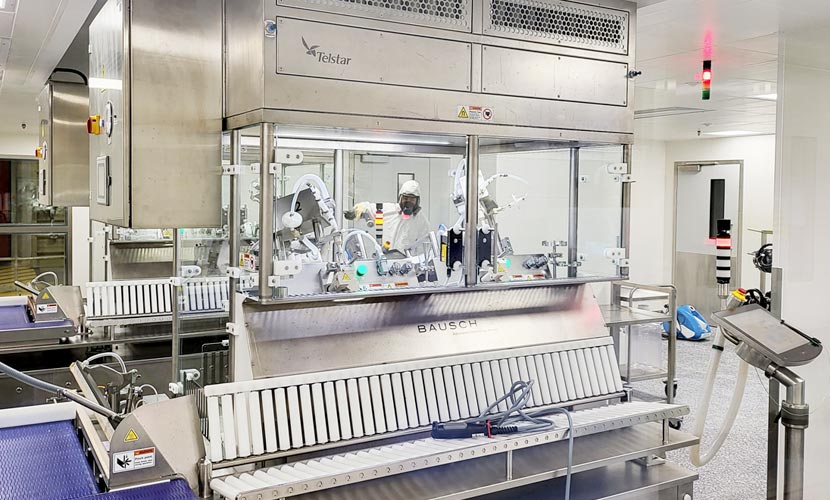
A Guide to the Decontamination of Biosafety Cabinets 

Blog

Biosafety cabinets are essential for protecting laboratory personnel, samples, and the surrounding environment. However, effective protection depends on proper decontamination. 

Guidance indicates that harmful microorganisms can persist within cabinets, including inside airflow systems and filters, even after routine surface cleaning. Thorough decontamination is therefore required before maintenance work, filter replacement, or following contamination events. 

Hydrogen peroxide-based touchless decontamination allows disinfectant vapour to circulate throughout the cabinet, reaching internal components and areas inaccessible to manual cleaning. 

This approach helps reduce health and safety risks for laboratory staff and service engineers while ensuring cabinets can be safely maintained and returned to operation. 

To download the full report please contact us and we will send you the pdf.

With clients ranging from the NHS andresearch laboratories to housing and public health providers, Sanondaf are the UK’s leader in specialist disinfection and decontamination services.

RECENT POSTS

Guide to Decontamination of Safety Cabinets: Request End User Biosafety Seminar

The Sanondaf Seminar is designed to educate users, to encourage a better overall understanding of...

Hydrogen peroxide – It’s Environmental Impact 

Hydrogen peroxide is widely recognised as a more environmentally responsible alternative to traditional fumigation gases...

A Review of a Novel Decontamination Method for use in a Contained Vessel within a Biotechnology Facility 

A Sanondaf case study demonstrated that vapourised hydrogen peroxide can be used to fully decontaminate...

A Review of Testing Conducted on an Air Powered Fogging Device 

Independent testing showed that an air-powered fogging device can rapidly and effectively deliver hydrogen peroxide...