
Hydrogen peroxide – It’s Environmental Impact
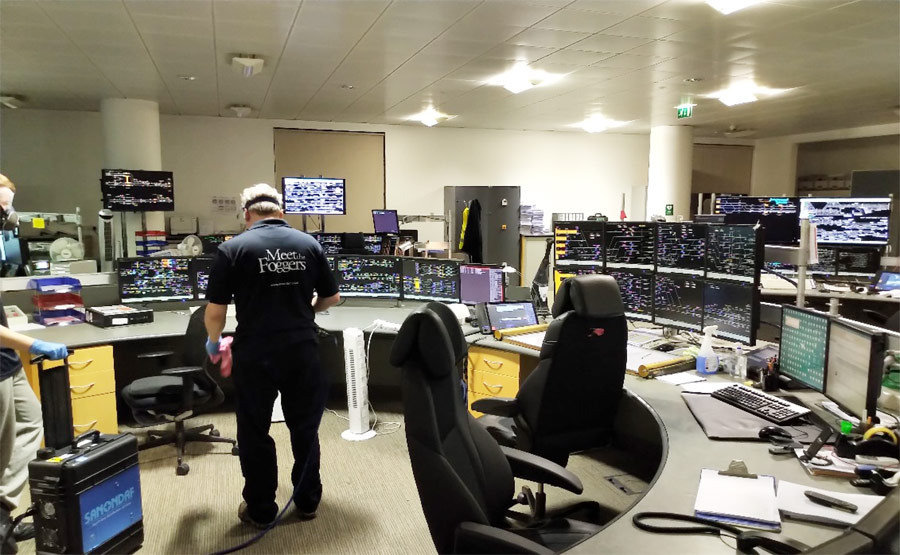
Hydrogen peroxide is widely recognised as a more environmentally responsible alternative to traditional fumigation gases such as formaldehyde. Unlike many toxic fumigants, hydrogen peroxide breaks down naturally into water and oxygen, leaving no harmful residues and generating minimal waste. Compared with formaldehyde-based processes, hydrogen peroxide decontamination can significantly reduce toxic waste, carbon footprint, and operational […]
A Review of a Novel Decontamination Method for use in a Contained Vessel within a Biotechnology Facility
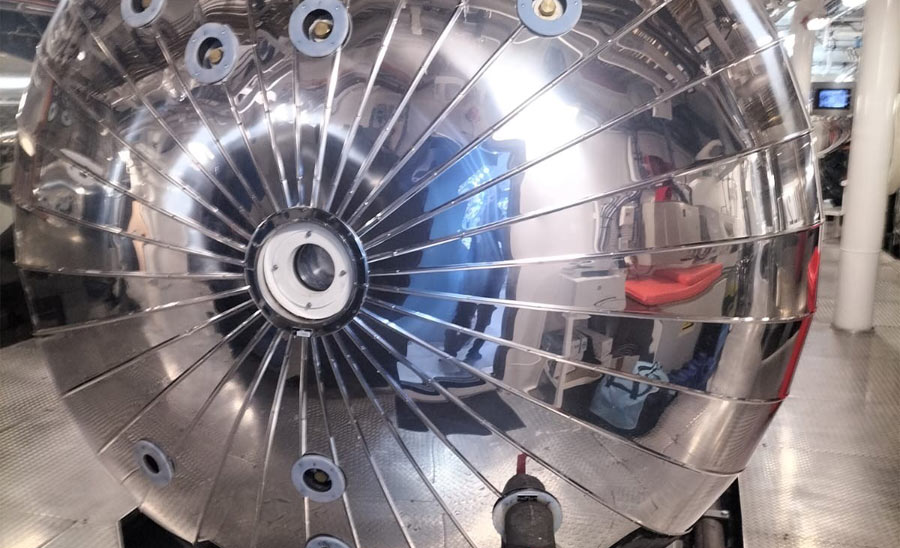
A Sanondaf case study demonstrated that vapourised hydrogen peroxide can be used to fully decontaminate a large, sealed vessel within a biotechnology facility where internal access is extremely limited. The method allowed disinfectant to be evenly distributed throughout the entire vessel without the need to open or dismantle the equipment. Monitoring confirmed effective hydrogen peroxide […]
A Review of Testing Conducted on an Air Powered Fogging Device
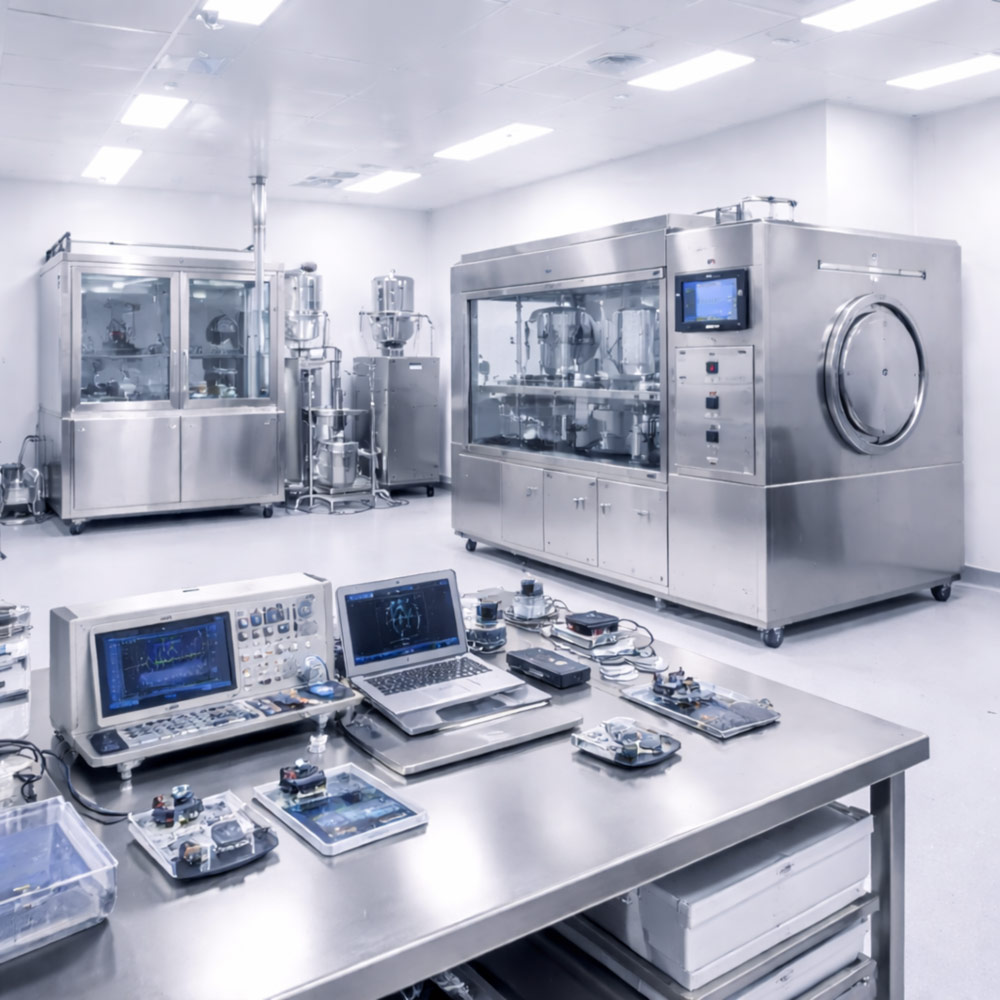
Independent testing showed that an air-powered fogging device can rapidly and effectively deliver hydrogen peroxide throughout an enclosed space, including hard to reach and hidden areas. In a room representative of confined or specialist environments, indicator testing confirmed that effective disinfectant concentrations were achieved across all locations within just 90 seconds. The process produced a […]
A Sanondaf case study – The Decontamination of a Critical Care Unit in a Live Setting
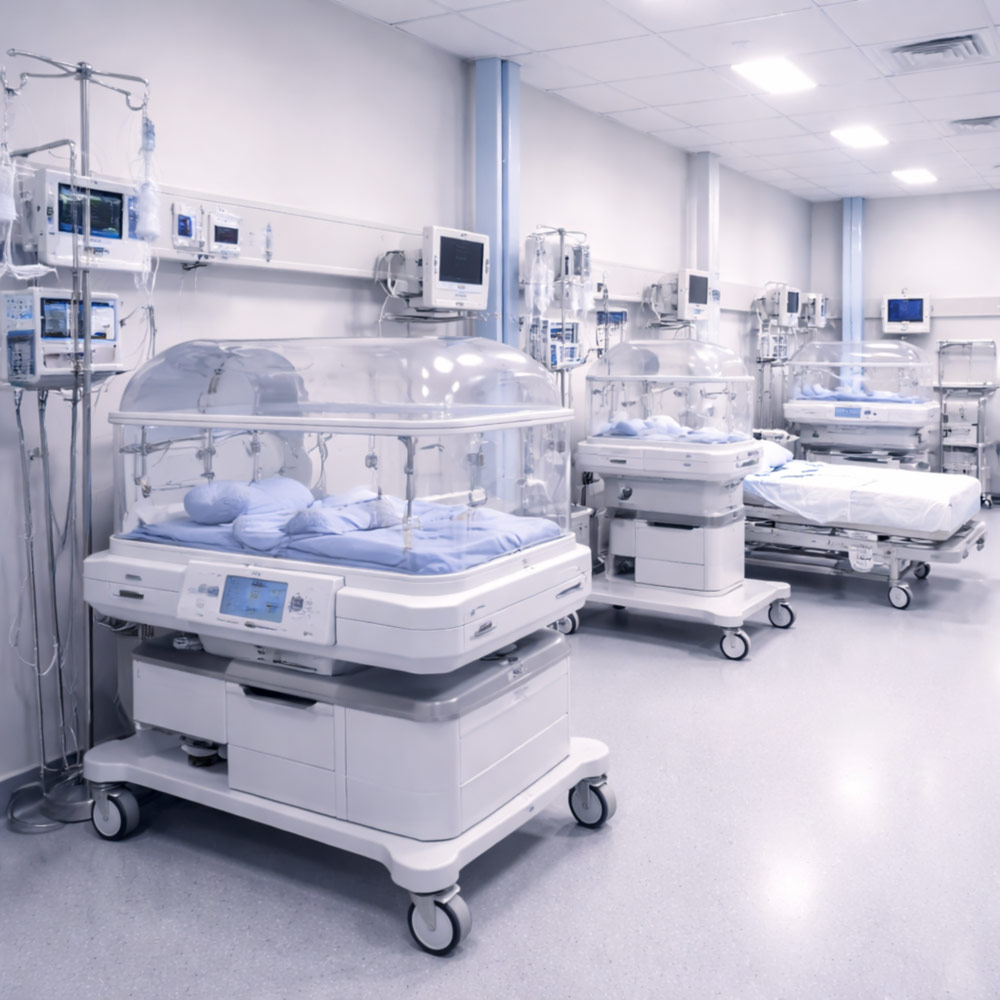
A Sanondaf case study demonstrated that hydrogen peroxide based, touchless decontamination can be safely and effectively carried out in a live critical care unit without disrupting patient care. The treatment was delivered in a neonatal intensive care setting that remained largely occupied, where infection control is critical for highly vulnerable patients. The process achieved high […]
A Case Study of Hydrogen Peroxide Use On Equipment and Materials
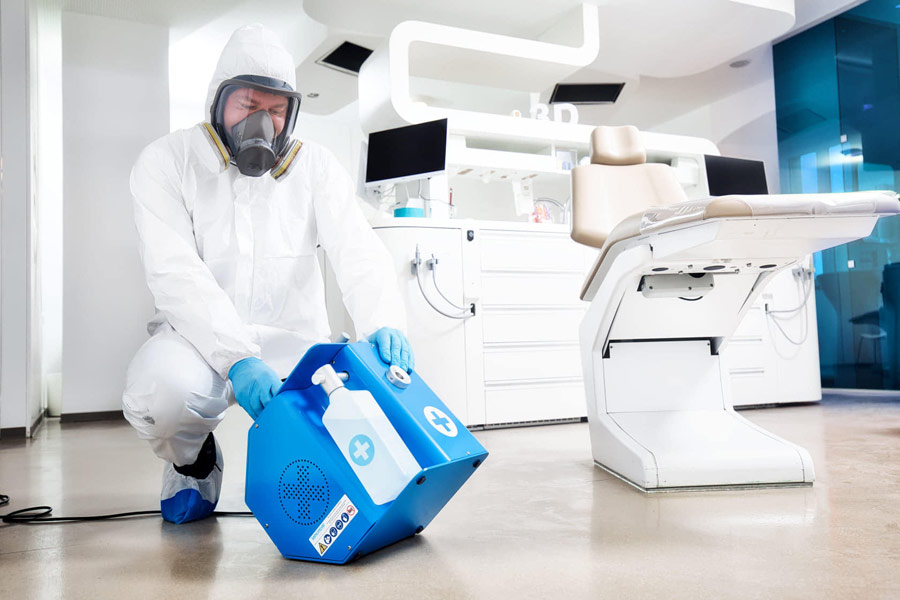
Hydrogen peroxide is increasingly used as a safer alternative to traditional fumigation gases, but concerns often remain about its impact on equipment and electronics. This case study, supported by regulatory and real world evidence, shows that vapourised hydrogen peroxide provides effective decontamination without damaging sensitive materials or compromising equipment performance. Independent studies and long-term operational […]
The Decontamination and Removal of Mould and Yeast Contamination in a Laboratory Setting

Mould and yeast contamination can quickly spread in laboratory environments, damaging equipment, compromising samples, and disrupting research. A Sanondaf case study showed that hydrogen peroxide based, touchless decontamination provides an effective way to control and remove these contaminants, even in challenging spaces such as cold rooms and storage areas. The treatment successfully eliminated visible mould […]
Sanosil® S010 Disinfectant and Halo™ Fogger Sporicidal Efficacy Test

Sanosil® S010 Disinfectant and Halo™ Fogger Sporicidal Efficacy Test Independent testing showed that Sanosil S10, applied as a dry mist using a fogging system, is highly effective at killing bacterial spores, one of the toughest forms of contamination to eliminate. The study used Geobacillus sterothermophilus, a standard challenge organism commonly used to validate sterilisation and […]
A Sanondaf case study – Vapourised Hydrogen Peroxide (H2O2) and its efficacy of inactivation of Prions and Viruses

Prions and certain viruses are among the most difficult biological contaminants to inactivate, often resisting standard cleaning and disinfection methods. Published evidence shows that Sanondaf’s vapourised hydrogen peroxide provides an effective low temperature alternative, capable of inactivating these highly resistant agents without damaging sensitive equipment. This study shows that vapourised hydrogen peroxide disrupts critical proteins […]
A Guide to the Decontamination of Biosafety Cabinets
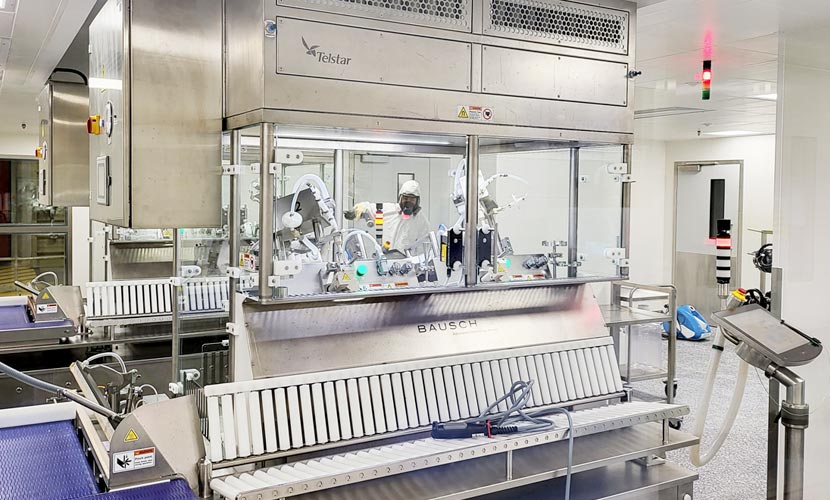
Biosafety cabinets are essential for protecting laboratory personnel, samples, and the surrounding environment. However, effective protection depends on proper decontamination. Guidance indicates that harmful microorganisms can persist within cabinets, including inside airflow systems and filters, even after routine surface cleaning. Thorough decontamination is therefore required before maintenance work, filter replacement, or following contamination events. Hydrogen […]